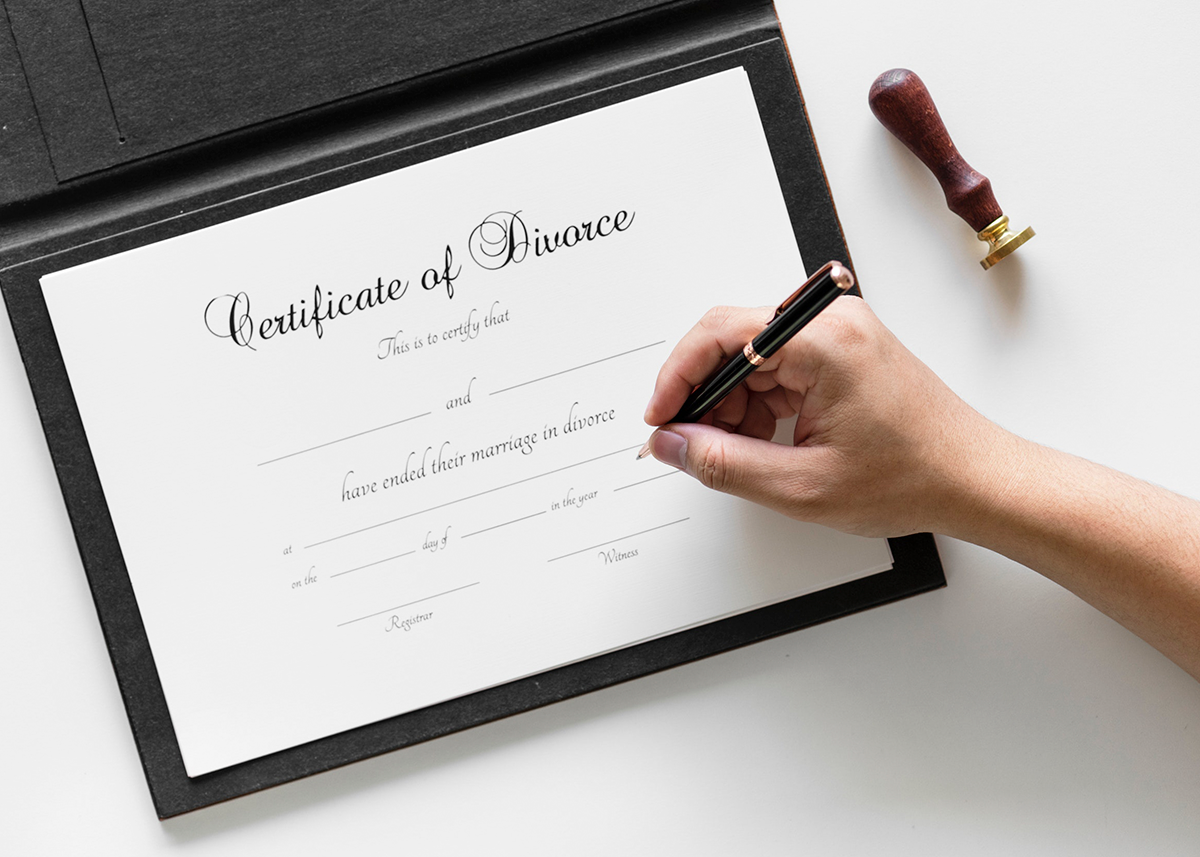
What about the property in case of divorce?
- When it is a marriage with children, as long as there is no prior agreement between the parties, the use of the family home is assumed by the children and the parent in whose company they are, even if the property belongs exclusively to the one who leaves.
- If we talk about a marriage without children, the thing is simple: the use of the property corresponds to the owner of it.
- In case that the property belongs to one of the spouses, it is not altered, regardless of divorce or marriage. However, we have to take into account that, with regard to the use of housing, there is a law referring to the right of use in favour of a protection of the family that, depending on whether there are children or not, the use is attributed to the most disadvantaged spouse. In this case, the owner is responsible for dealing with third parties and complying with the obligations derived from the ownership of a real estate property.
- Another quite common case is that the property belongs to the parents of one of the spouses and it was ceded to the couple voluntarily. If so, as in the previous case, the use of the property is transferred to the person who is most affected by the separation process. In the situation that the legitimate owners want to recover their possession, it will be necessary to find out what powers of recovery of the property remain to this third party once it has been affected by a judicial decision handed down in a family process.
- When the couple is living in a rented apartment and its use has been attributed to the spouse who does not appear in the contract, he may stay in the apartment if he so wishes, whenever he informs the landlord in the term within two months after the judicial resolution was notified.
- And if there is no marriage? In this case, it will not be necessary to go through the judge. It's considered that two people have lived together for a while, but there is no rule that dictates that the use of a home will be attributed to a person who does not have a legal relationship.
We hope you have been helpful to see things a little clearer if you find yourself in one of the situations mentioned above.