Benefits of opting for self-consumption with surpluses in your new home
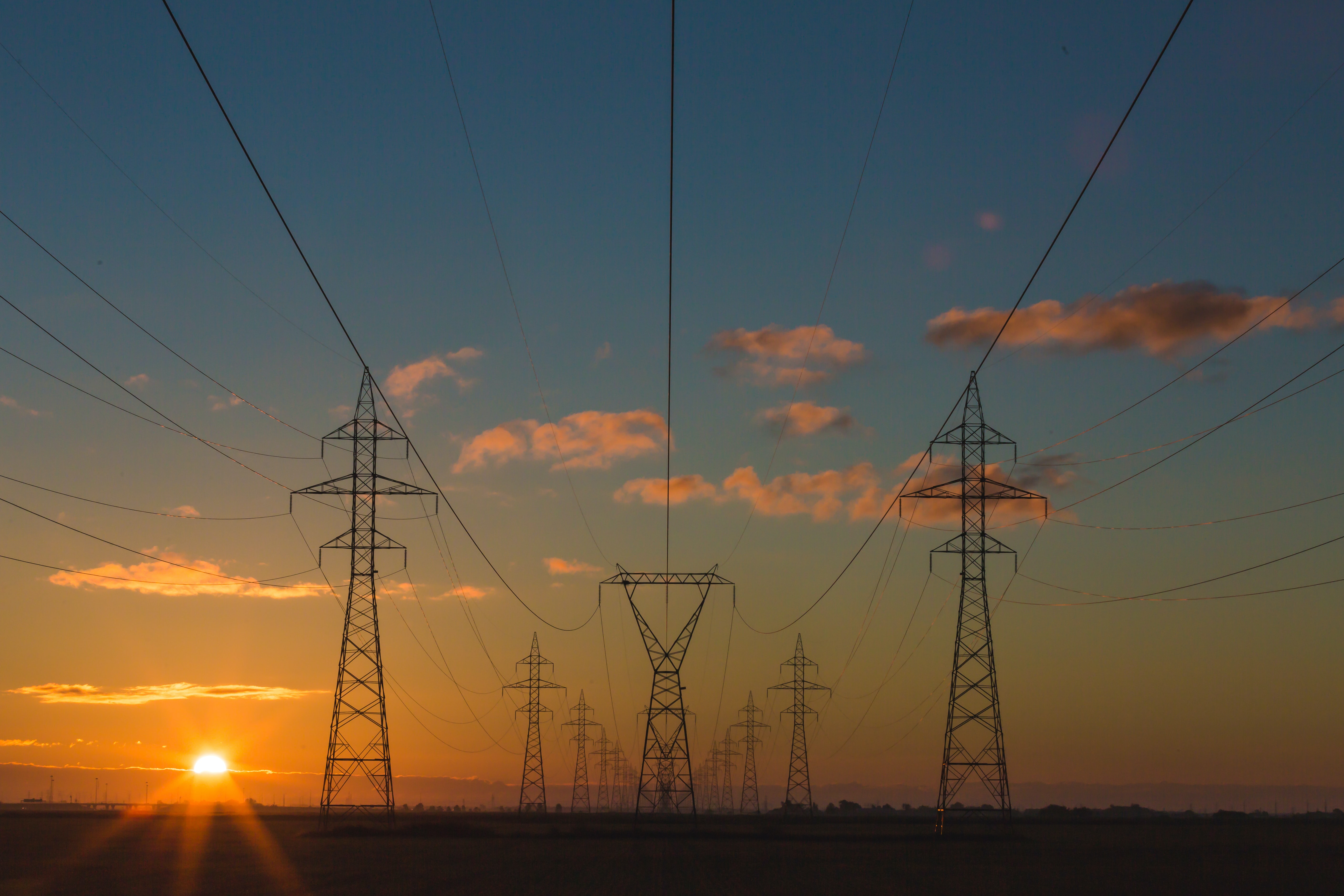
Self-consumption of electricity refers to the production of renewable electricity for self-consumption. Therefore, a customer installs production sources, such as solar panels or mini-wind generators, close to the sources of consumption. By using renewable sources, there are advantages for both the consumer and society, such as significant savings on electricity bills, support for the energy transition by reducing the COâ‚‚ footprint, and improved management of both individual and collective electricity demand.
Photovoltaic self-consumption with surpluses
Solar self-consumption uses photovoltaic radiation to produce electricity through the installation of solar panels, which may or may not feed surpluses into the distribution grid. The whole system is connected to the electricity grid, so that when the installation is generating energy it is consumed directly, but when it is not generating, for example at night, the energy continues to come from the grid. In addition, if we are talking about self-consumption with surpluses, the surplus energy that is not consumed is fed into the grid, receiving a certain amount in the form of compensation on the electricity bill.
How much can I save by installing solar panels?
By installing solar panels we can save between 50-70% on our electricity bill. To maximise the savings it is essential to calculate how many solar panels we need, thus increasing the percentage of self-consumption and reducing the consumption of electricity from the grid.
Despite being a large initial investment, the large savings on the electricity bill allow us to amortise it quickly. In addition, the Government has issued subsidies that allow savings in the installation of up to 50%, we will simply have to send the application forms to the website of our autonomous community.